1. Surface preparation: The steel pipes are thoroughly cleaned using solvents, abrasives, or power tools to remove all contaminants such as rust, oil, grease, and dirt. This is crucial because the coating will not adhere properly to a dirty surface.
2. Priming: A primer is applied to the cleaned surface to help the epoxy adhere properly. The type of primer used depends on the type of epoxy being used and the surface to which it is being applied.
3. Mixing: The epoxy coating material is mixed at a precise ratio of resin to hardener to ensure proper curing and adhesion.
4. Application: The epoxy coating is applied to the steel pipes using various methods such as dipping, spraying, or brushing. The thickness of the coating is carefully monitored, and multiple layers may be applied to achieve the desired thickness.
5. Curing: The coated steel pipes are allowed to cure according to the manufacturer's instructions. This typically involves keeping the pipes in a controlled environment at a specific temperature and humidity level for a set duration.
6. Inspection: Once cured, the coated steel pipes are inspected for imperfections such as bubbles, cracks, or uneven coating thickness. Any defects are addressed and corrected as necessary.

1. Corrosion resistance: Epoxy coating steel pipes are highly resistant to corrosion, which is important for pipes that are used in harsh environments or exposed to moisture.
2. Durable: Epoxy coating is a highly durable material that can withstand wear and tear over time. It is also resistant to impacts and abrasions, making it ideal for use in high-traffic areas.
3. Easy to apply: Epoxy coating can be easily applied to steel pipes using a variety of methods, including spraying, brushing, or rolling. This makes it an ideal material for large-scale projects or complex applications.
4. Versatility: Epoxy coating can be used on a variety of different surfaces, including metal, concrete, and wood. This makes it a versatile material that can be used in a range of applications.
5. Low maintenance: Once applied, epoxy coatings require very little maintenance. They do not require regular painting or sealing, which can save time and money over the life of the coating.
1. Durability: Epoxy coating provides excellent adhesion and is able to withstand high impact and abrasion, making it ideal for long-term use.
2. Corrosion resistance: Epoxy coating steel pipes provide a protective barrier that prevents corrosion from occurring, which is especially important for pipes that are used in harsh environments.
3. Chemical resistance: Epoxy coatings are resistant to chemical attacks and protects the steel pipes from various chemicals that could leach into the pipes and damage them.
4. Reduced maintenance: The application of epoxy coating on steel pipes significantly reduces maintenance requirements since it protects the pipes from damage.
5. Cost-effectiveness: Epoxy coating steel pipes is a cost-effective solution since it is less expensive than replacing damaged pipes, and it extends the life of the steel pipes by providing lasting protection against harsh weather and chemicals.
1. Pipeline transportation: Epoxy coating steel pipes are commonly used in pipeline transportation of petroleum, gas, and other liquids. The coating on the pipe provides a protective layer that prevents rust and corrosion, as well as damage from chemicals and abrasions. This helps to ensure the safe and efficient transportation of fluids over long distances.
2. Water distribution: Epoxy coating steel pipes are also used in the distribution of water for drinking, irrigation, and industrial purposes. The coating on the pipe helps to prevent contamination by preventing the growth of harmful bacteria and preventing corrosion, which can cause water quality issues.
3. Construction: Epoxy coating steel pipes are often used in construction applications such as bridges, tunnels, and buildings. Their strength and durability make them ideal for use in challenging environments, and the coating on the pipe helps to protect against rust and corrosion, which can weaken structures over time.
4. Oil and gas exploration: Epoxy coating steel pipes are widely used in the oil and gas industry for exploration and production. The coating on the pipe helps to prevent corrosion and damage caused by harsh chemicals and abrasive materials, which can prolong the life of the pipeline and reduce maintenance costs.
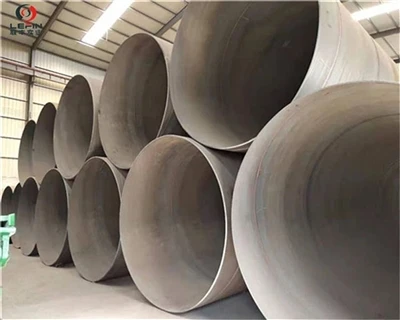
1. One of the most commonly used types of pipes for epoxy coating is carbon steel, which is known for its durability and strength. Carbon steel is widely used in construction and manufacturing, and its high resistance to corrosion makes it an ideal candidate for epoxy coating.
2. Other types of steel pipes that can be used for epoxy coating include stainless steel and alloy steel. Stainless steel is particularly popular in the food and beverage industry, where hygiene and cleanliness are essential. Alloy steel is often used in harsh chemical environments and can be an excellent choice for pipes that require high levels of resistance to corrosion and wear.

Overall, epoxy coating steel pipes is a smart choice for those looking to protect their investment in steel pipes. With its many benefits, the process provides a cost-effective solution to prolonging the life of steel pipes and minimizing the need for costly repairs or replacements.